
Horse Fever: Ocala’s Public Art Phenomenon
Catching the Public Art Fever
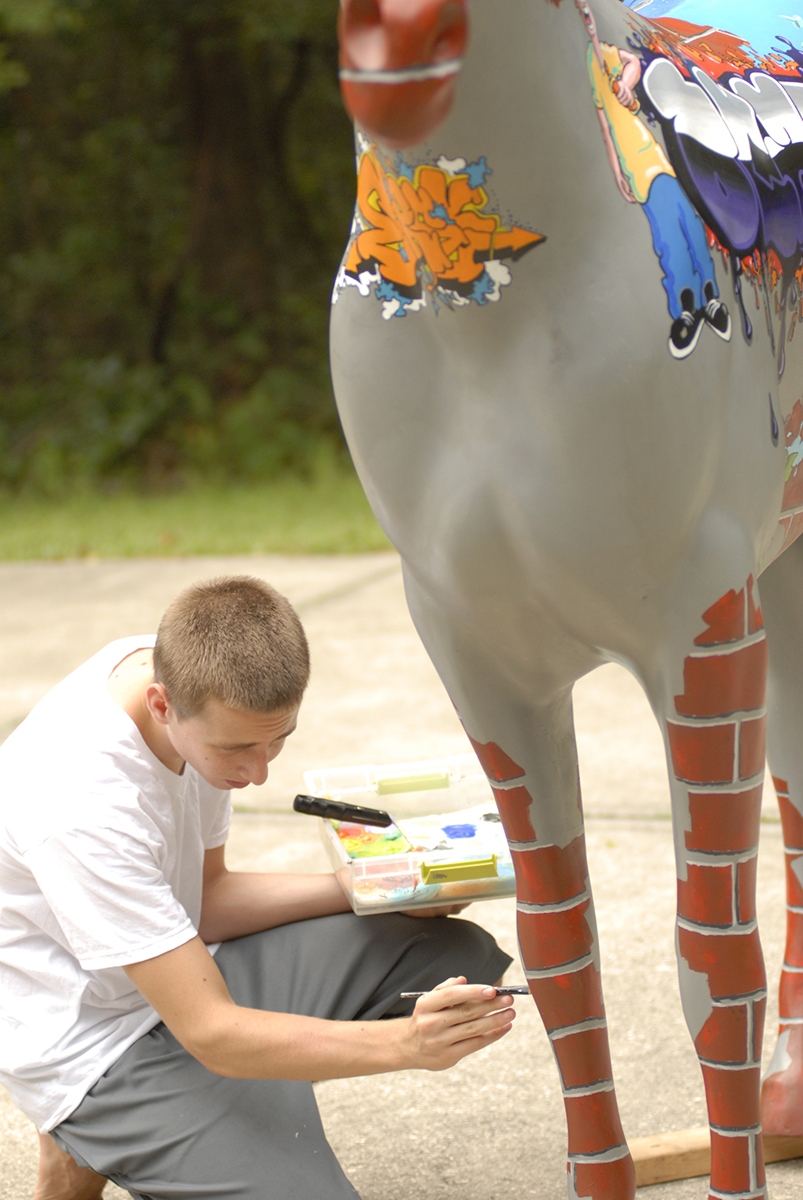
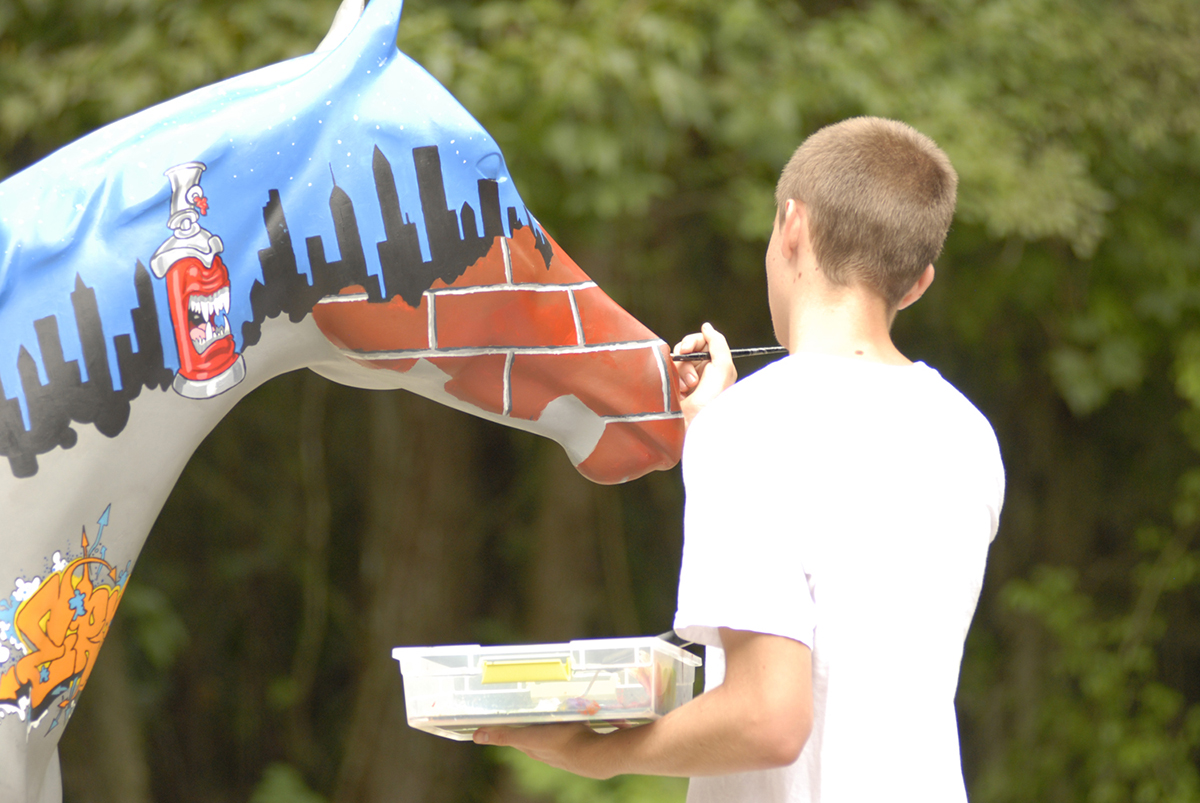
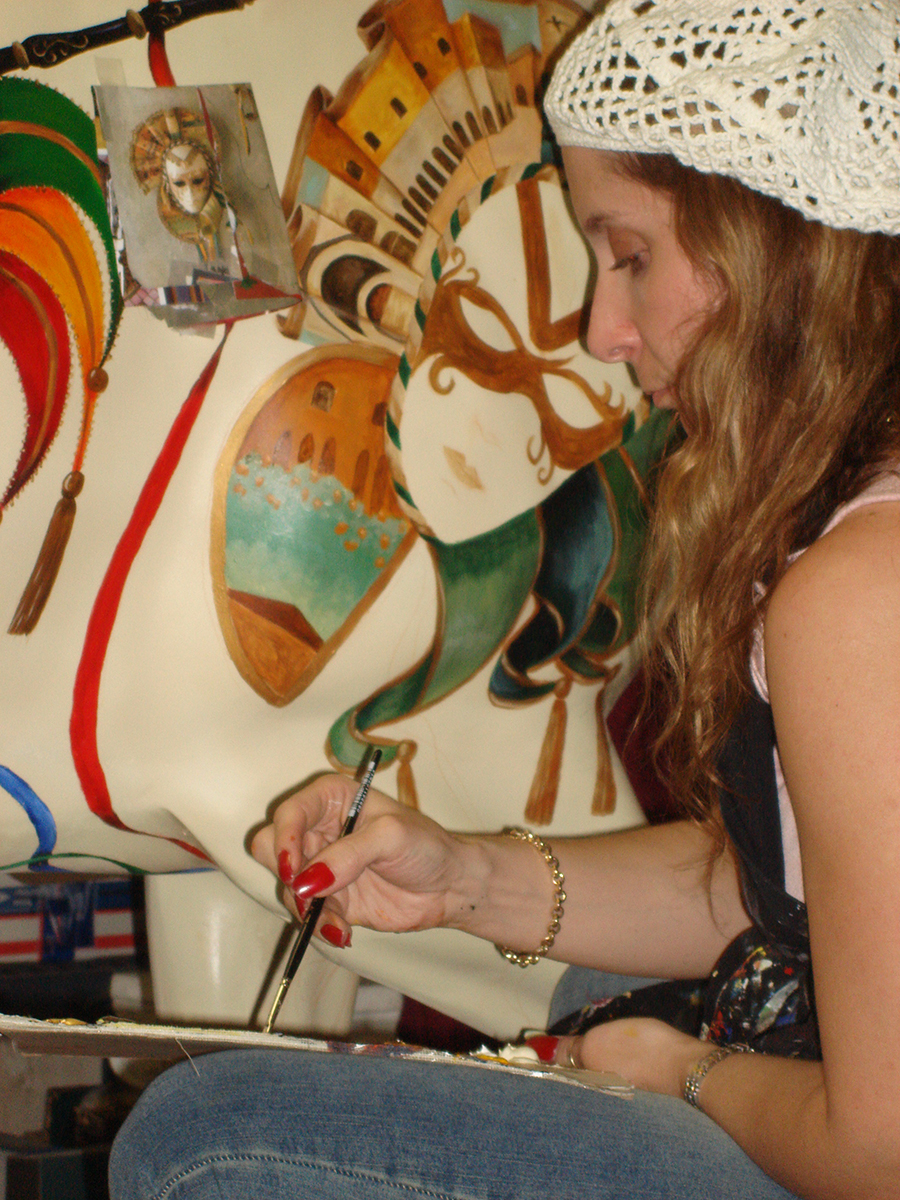
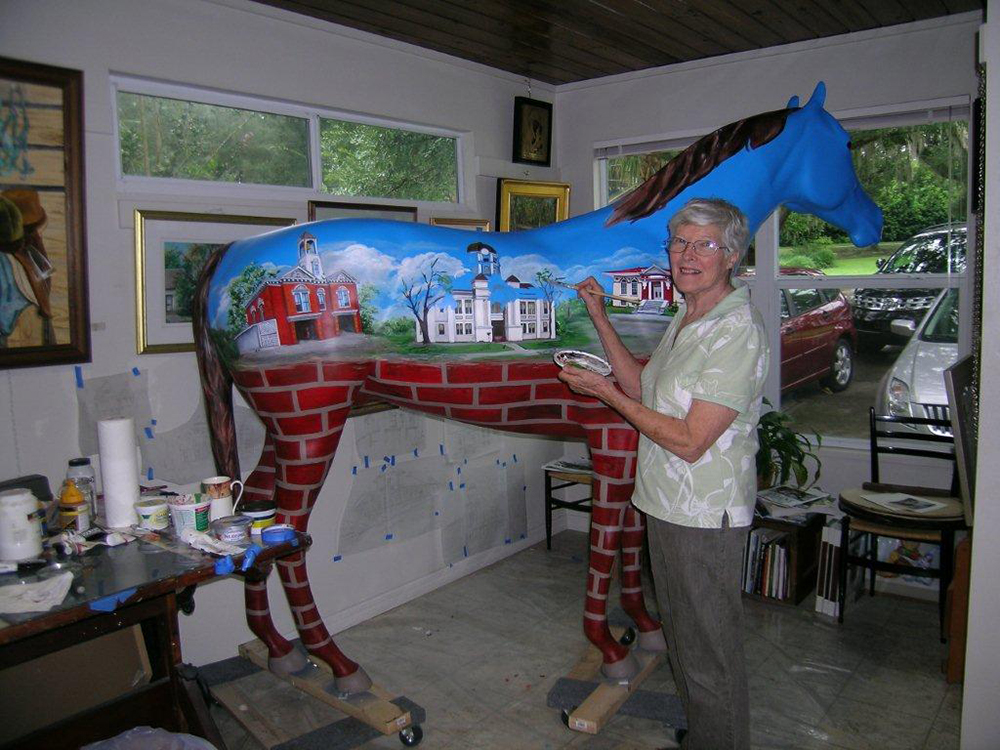
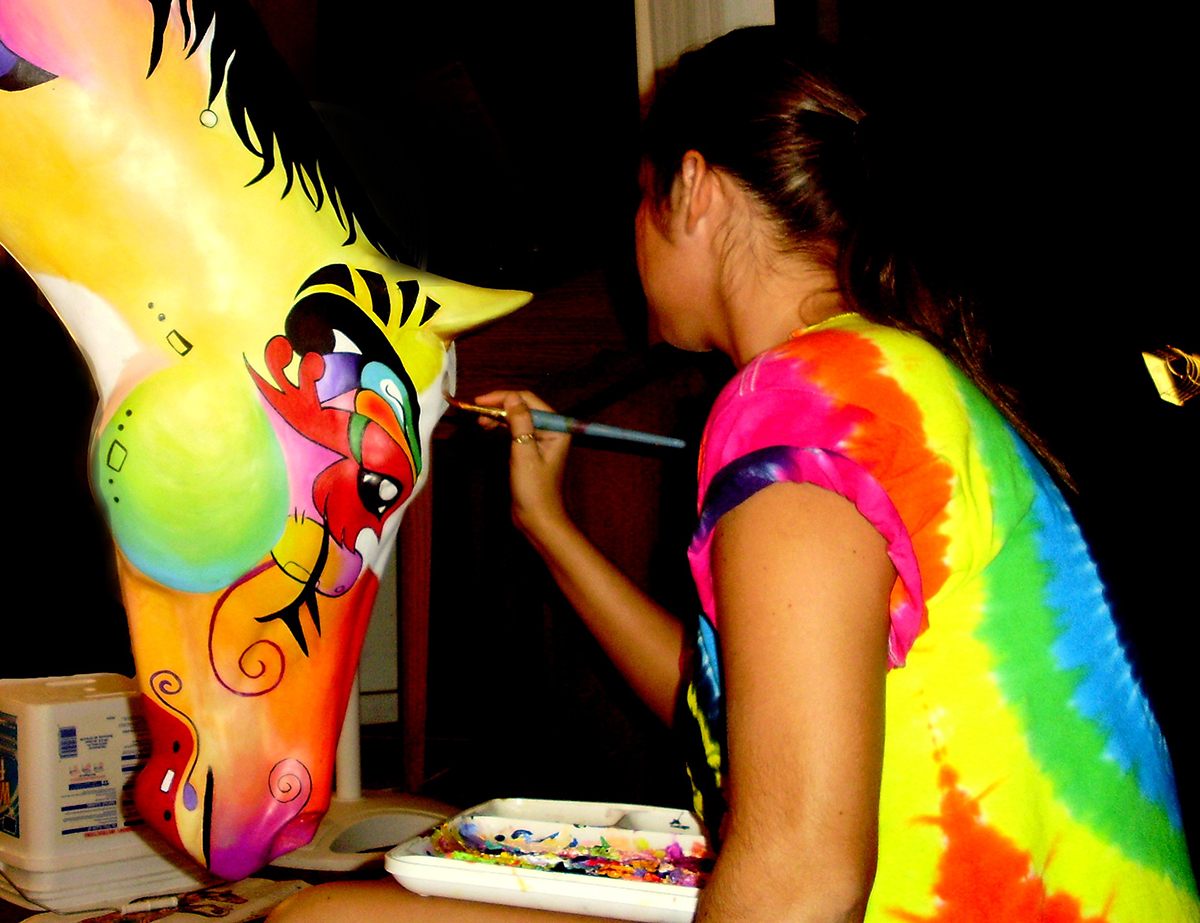
Catch the Fever! This phrase recalls Ocala’s exposure to an epidemic that’s raging around the world – the passion for public art. Starting with 200 cows in Zurich, Switzerland in 1998, this seemingly irresistible urge to place fancifully painted animals on the streets has spread throughout Europe and the U.S. How each city defines itself through this public display is a story that continues to play out all over the country.
The phenomenon was building to a crescendo across America in the summer of 2000, and was not limited to animals alone. Wildly decorated fiberglass objects began popping up in city after city as pageants of pigs, cows, turtles, rocking chairs, fish, lizards, Labrador retrievers, even Charlie Browns, much to the fascination of the citizenry and the unexpected delight of local merchants and tourist boards. When a few volunteers from “the Horse Capital of the World” caught the fever in their summer travels, they came home full of enthusiasm. How to make it happen in Ocala? In an area where horses are an integral part of the way of life and a billion dollar industry 1, which form to do was a given. It became a matter of getting it done.
The Marion Cultural Alliance: Bringing Horse Fever to Life
Normally an art show comes from a gallery. In this case, the desire of those who would produce Horse Fever led to the creation of a new charitable entity, the Marion Cultural Alliance (MCA). A dedicated group of volunteers under the guidance of Dr. Ellen Gilchrist served for years as the Ocala Arts and Sciences Coalition. Their charitable works supported Brick City Center for the Arts and the Discovery Science Center. This group that included Paula King, Laurie Menard, Ellen Gilchrist, Stew Robinson, Jessica McCune, Robin Parker, Lori Lockshin and others, was searching for a way to provide broader, more consistent support to cultural endeavors. Using research on how other cities address the universal struggle to fund the arts, MCA was formed. It is a 501(c) 3 not-for-profit corporation that seeks to build an endowment for cultural grants. Horse Fever became its signature project.
Horses in Marion County: More Than a Symbol
A horse is not just a horse, as anyone with a discerning eye visiting Marion County can see. The farms that stretch across the rolling Florida landscape are an integral part of the natural beauty of the area, and make homes for every breed of horse, predominantly Thoroughbreds*.
Asking the Florida Thoroughbred Breeders’ and Owners’ Association (FTBOA) to jump on board was a natural first step. FTBOA wholeheartedly backed the project and signed on as the lead sponsor. They sponsored Champ, the prototype horse (p.16) and C.C. (p. 22), and many of their individual members immediately stepped forward to sponsor horses, requesting that MCA increase the number planned from 35 to 50 (53 were eventually done). Their early support, through the leadership of executive vice-president Richard E. Hancock, got Horse Fever out of the starting gates.
Community Support: Businesses & Sponsors Fuel the Project
Florida Thoroughbred Charities board president Harold Plumley said early on that, “Horse Fever is a project that unites the business community, equine industry, and arts community for charitable purposes.” Perhaps this sense of unity is part of the allure. With the huge requirements in resources, mostly volunteer, that these projects require, the fact that so many cities have taken them on speaks to their inherent value and appeal.
Local business has played a huge role in every production. The Ocala business community is no exception.
Six weeks of warehouse space was needed for 52 life-size horses. Jim Schneider and Signature Brands were there, also generously sponsoring a horse. Transportation was needed (287 trips and counting!). H.H. Hudson & Sons was there every time. Clear coating to protect the finished works was needed. E-One moved out the fire trucks and moved in the horses. Horse Fever needed press! The Star Banner jumped in, not just with great coverage and a web page presence, but with a mosaic horse built with pieces contributed by the entire staff. Ocala Style magazine did monthly features and sponsored a contest with local radio, WMFQ 92.9 and WTRS 102.3. Horse Fever needed leadership in high places. Mayor E.L. Foster was there, personally sponsoring a horse for display at City Hall. Horse Fever needed printing, merchandise, and the graphic design to go on them. Storter Childs Printing and Kent Weakley of Blue Sky Graphic came forward with brochures, the poster and now this book. Where to have the auction? Live Oak Plantation shared their international event.
The list goes on. Concrete slabs, 5,000 posters, retail merchandise, 125,000 brochures, street banners, books, publicity, phone books, the auction live and online, special events – thousands of details came together during a two year period under the coordination of Horse Fever chairman Laurie Menard and co-chairman Paula King, and the tireless efforts of an all volunteer board.
The Horses: Special Additions to the Herd
After the program was underway, two special horses were added to the herd. Prewitt Fiberglass sent a foal along with the original order as a gift to Laurie and Horse Fever. Florida Thoroughbred Charities sponsored “Cultural Champion” or “C.C.”, representing MCA as the new kid on the block. He bears an inspiring message as he makes his rounds through the schools and to special events with his coat proudly bearing Marion County’s rich cultural heritage. He is MCA’s ambassador, and a companion to the Horse Fever prototype, Champ.
Horse #53 was added when the enormous popularity of the program created demand for some way that the general public could participate, other than just viewing the horses. In response, the last unpainted horse became “The People’s Choice” (pp. 106,107.)
Ocala’s Artists: The Heart of Horse Fever
The most important ingredient in any art show is talent. With over 250 designs submitted by regional artists in the call and only 52 horses to cover, the selection looked promising. The obvious question was on everyone’s mind. How would Ocala stack up? Artist Sharon Crute (Champ, C.C.) had little doubt. “Have faith in our artists,” she said. “They’ll come through for you.”
A panel of 5 judges took on the difficult task of evaluating the work, with the top 60 designs submitted to the sponsors at a match party hosted by FTBOA. Each sponsor selected the design on paper that would soon be transformed into a life-size work of art.
The Unveiling: A City Responds
As the artists began their summer’s work, they joined the growing number of people in the know (they caught the fever!). The excitement was building while they awaited the reaction of the unsuspecting public. By August, when Hudson & Sons started to carry the finished horses from E-One to Signature Brands a few at a time, people began to notice something special happening. As they moved their inventory to make way for the herd, the staff at Signature became more attentive, tidying up the warehouse, arranging the horses neatly in what had become “Signature Stables”. The mayor and some of the other sponsors started popping by with a few friends and family to take a peek. The horses were complete – standing in silent anticipation, sparkling jewels ready to take their place on the streets.
On September 11, 2001, there were still two weeks left before the unveiling when an event of the most tragic nature usurped the happy secret.
What would happen at that point was unknown with more important matters were at hand. There was no choice but to continue, and a town full of people left bewildered and in mourning by the attack on America responded with pure delight at the sight of their streets decorated with these charming horses. The September 27th unveiling on the downtown square went on as planned as thousands of people openly embraced Horse Fever with an affection that continued from that evening to the “Farewell to the Herd” event on March 9, 2002.
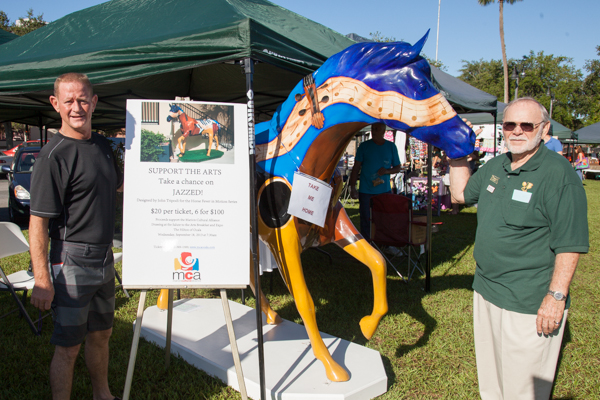
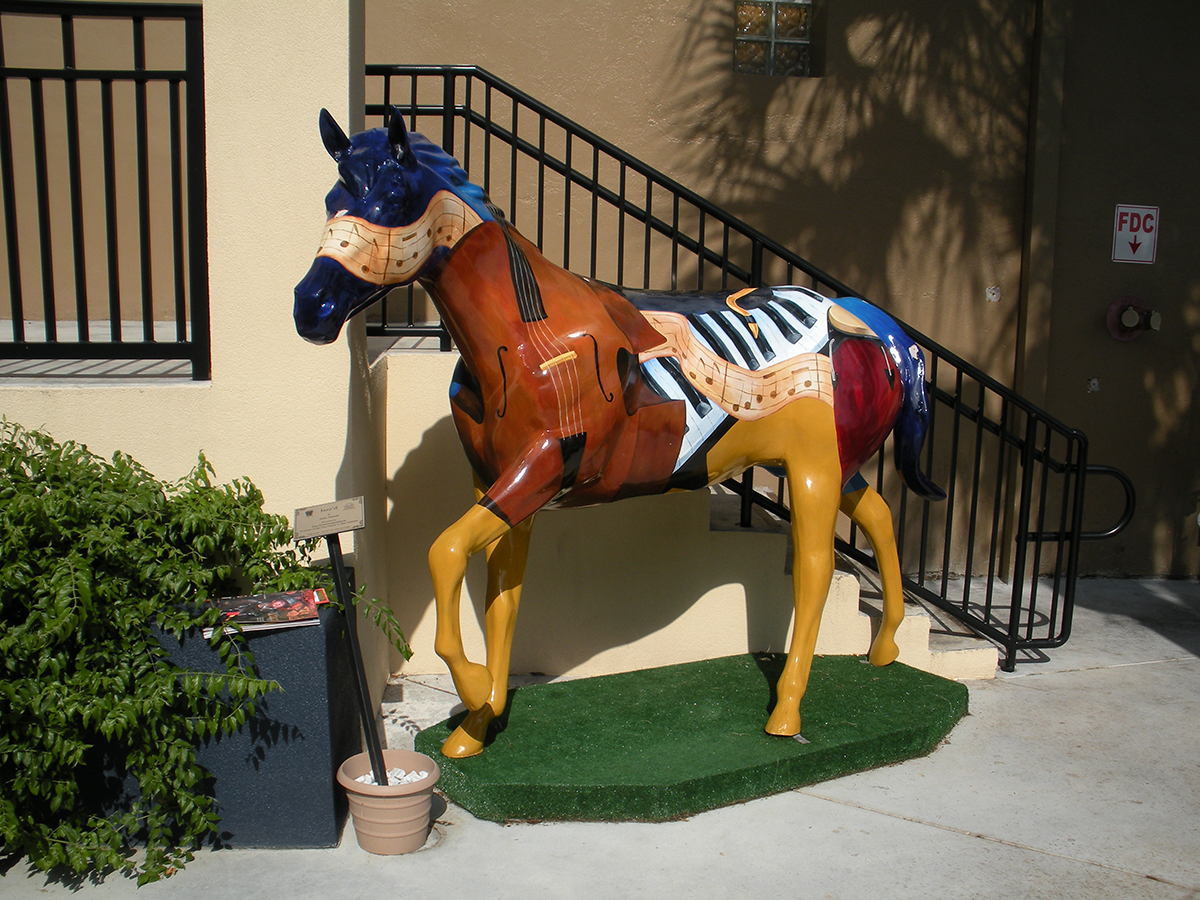
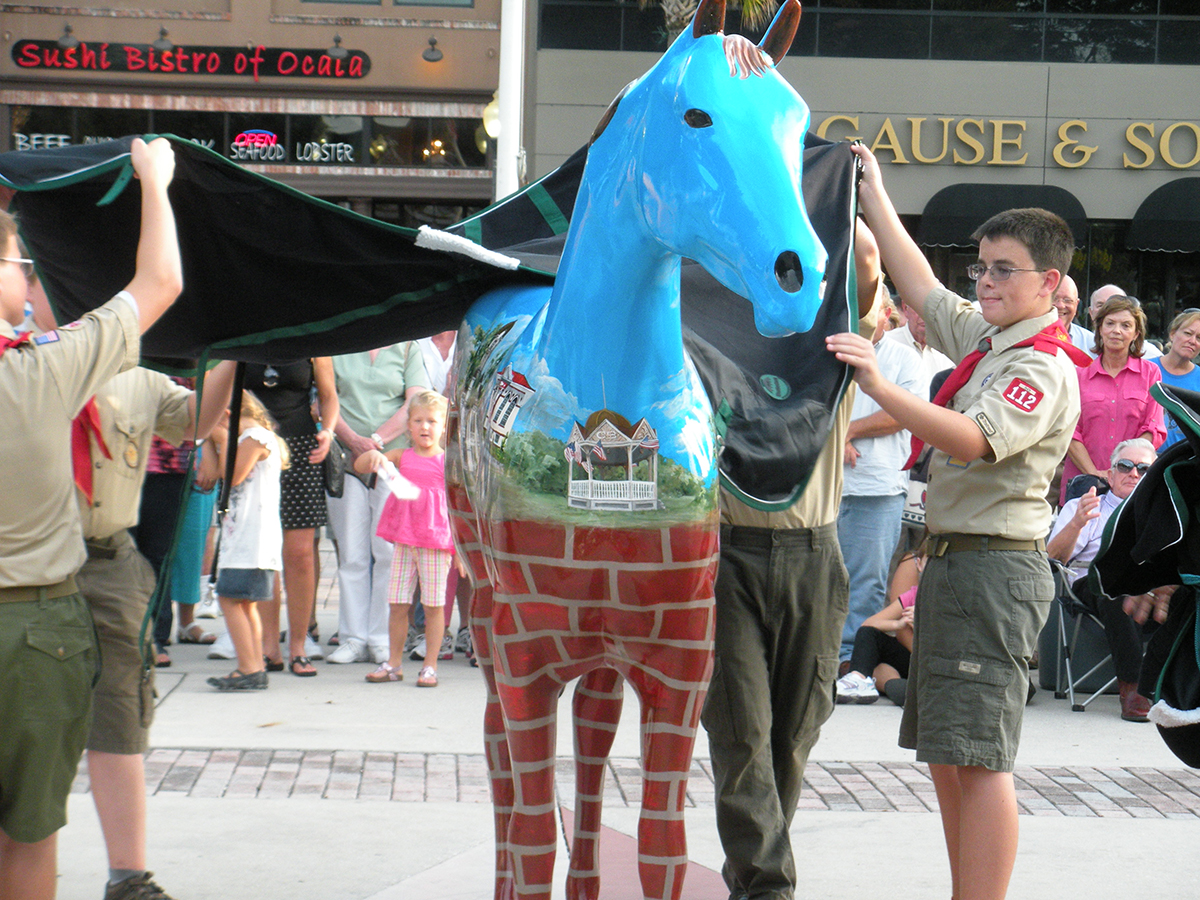
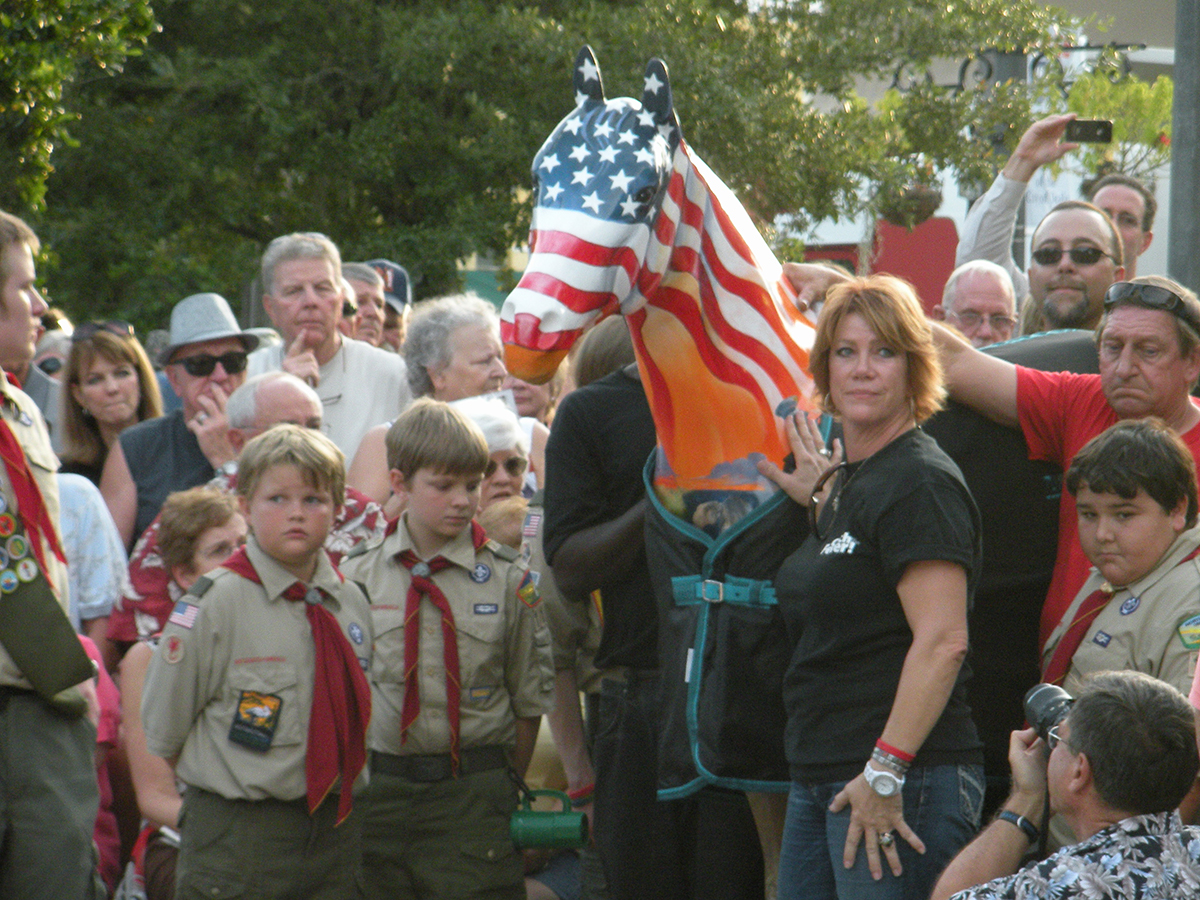
Why Horse Fever Resonated – Art for Everyone
Why do people respond so freely? Horse Fever was everywhere. It was outdoors where everyone could see it everyday. People driving down the street or sitting in their offices could watch while children danced around and people filled their photo albums.
Horse Fever demonstrated its economic power along with the universal capacity for people to enjoy art. The huge turnout for a major exhibit of 19th and 20th century masterworks at the Appleton Museum of Art during the same period as Horse Fever further demonstrated how small cities can embrace the arts.
What seems to matter is quality, relevance, accessibility, and the affinity of the audience for the show. People understood that Horse Fever was for them.
Marion Cultural Alliance – Uniting Culture & Community
*Source Florida Thoroughbred Breeders’ and Owners’ Assn.